Electric tugs for textiles
Move fabric rolls and trolleys with one person.
From heavy fabric rolls to coating and finishing trolleys, Tractive Power electric tugs give one operator control of textile production loads. Battery powered, quiet indoors, and built in the UK.
2,000–8,000 kg
Wheeled loads on castors, from roll trolleys to heavy beams and frames.
TT100 to TP500
1 person
The operator walks behind and steers. The tug does the pushing.
Regardless of load
8 hours
For a full recharge, so the tug charges overnight between shifts.
Battery powered
Heavy fabric rolls are hard to move and harder to stop.
Textile mills and finishers move heavy loads between processes: fabric rolls and beams, coating trolleys, and finished stock to dispatch.
Pushing loaded roll trolleys by hand all shift is a strain risk the Manual Handling Operations Regulations require you to reduce, and a heavy roll that gets away can damage stock and machines.
Why traditional handling doesn’t fit
Pushing by hand depends on whoever is on shift, with no control over force, speed or stopping. Sending more people to move a heavy trolley adds labour without removing the risk.
Forklifts need wide aisles and bring extra risk around people on foot.
Where Tractive Power fits
A pedestrian electric tug puts one operator in control of each move, at walking pace.
The TT100 handles roll trolleys up to 2,000 kg. The TP250 and TP500 take heavier beams, frames and trains of trolleys, and every tug is fitted with the coupling that suits your loads.
Where our machines work in textiles
From the loom to dispatch.

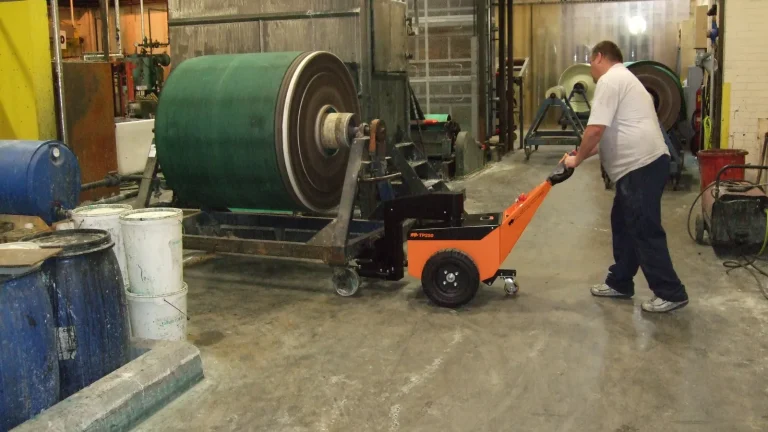
Fabric rolls
Heavy fabric rolls moved on trolleys between processes.

A-frame trolleys
A-frames of fabric rolls moved to and from the line.
Beams
Warp beams and heavy frames repositioned on castors.

Heavy roll trolleys
Heavy roll A-frame trolleys moved to the warehouse and dispatch.
Applications
Textiles: what our tugs move
TP250 · TP500Moving fabric rolls in the textile industry
Heavy, awkward fabric rolls and stillages moved safely through the mill by one operator.Read more TP250
Moving A-frame trolleys of fabric rolls
A-frame trolleys with fixed rear wheels and resting feet, lifted at one end and moved by a TP250.Read moreRecommended for textiles
Tugs for textile production.
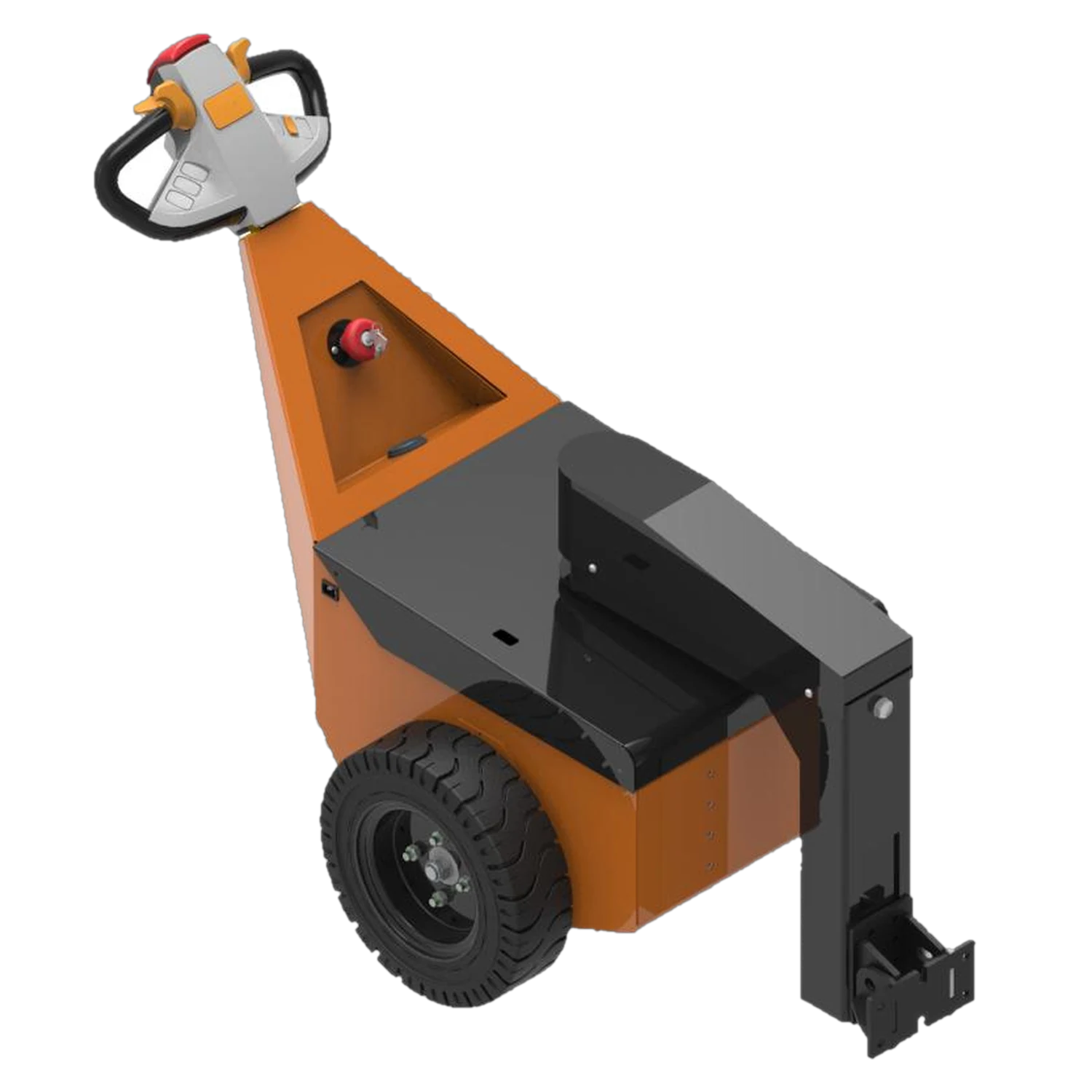
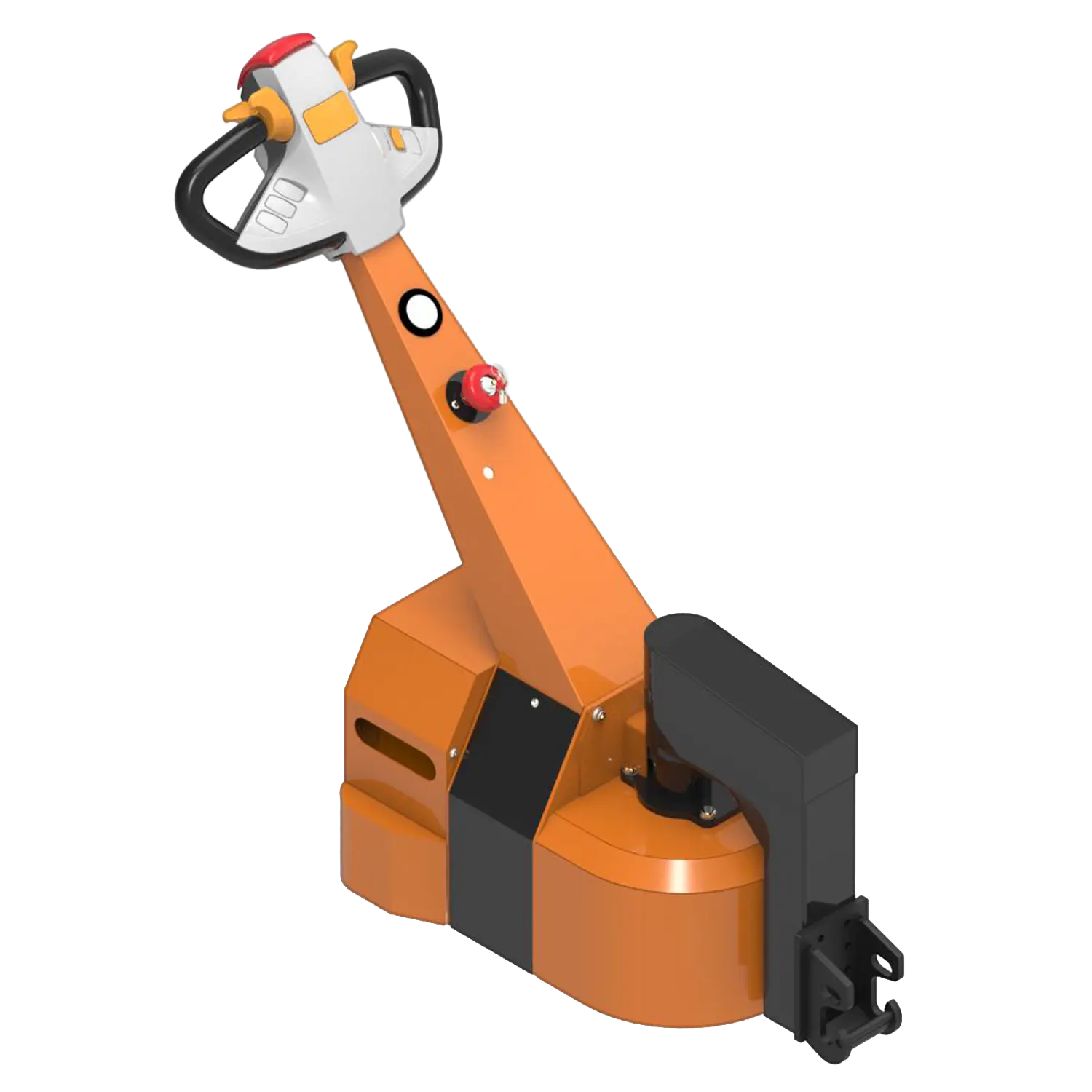
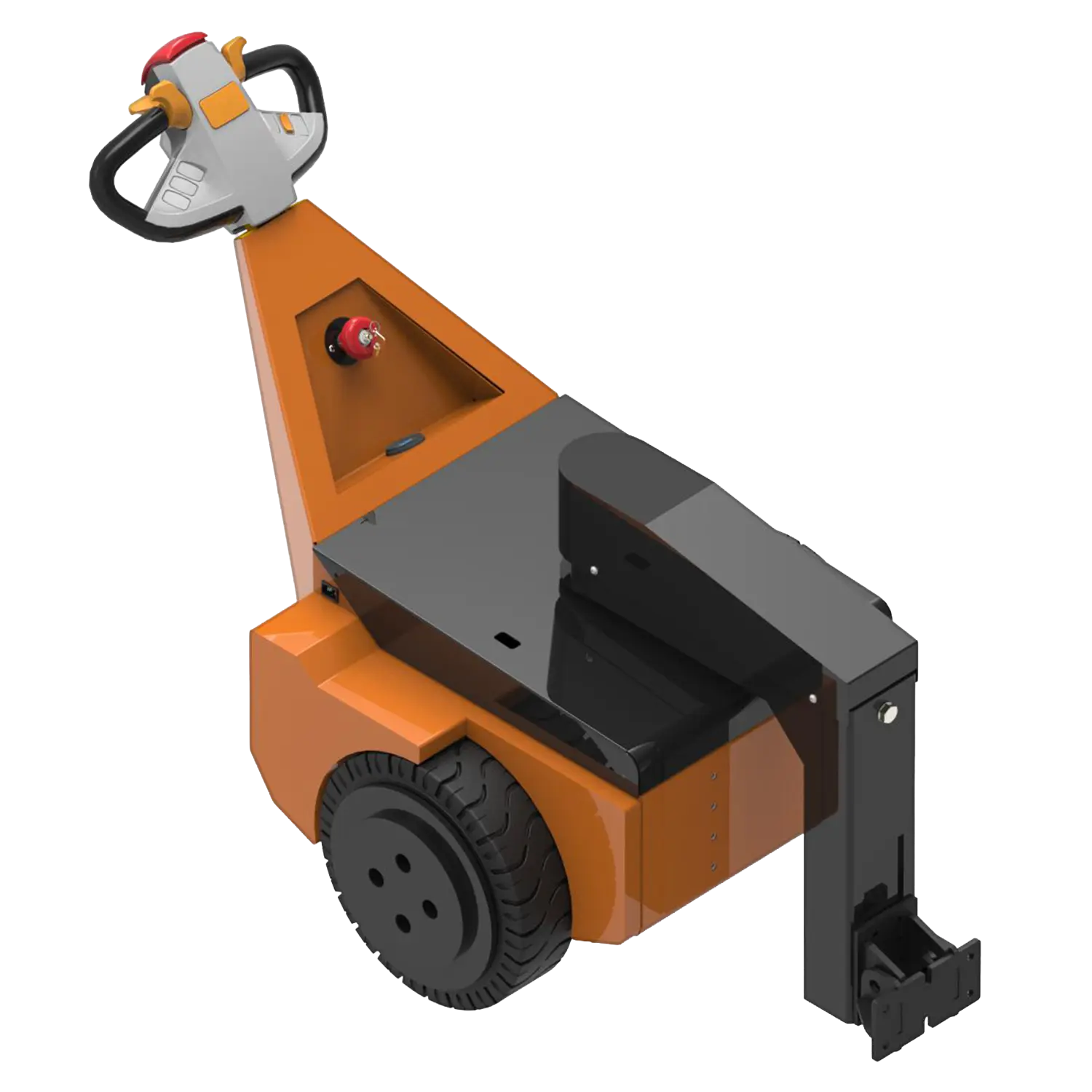
Not sure which machine you need? Start from your load.
Textiles couplings
The right connection for your trolleys.
Every tug is fitted with the coupling that suits your trolleys and frames, and if none of the standard options fit, we design one around your load.
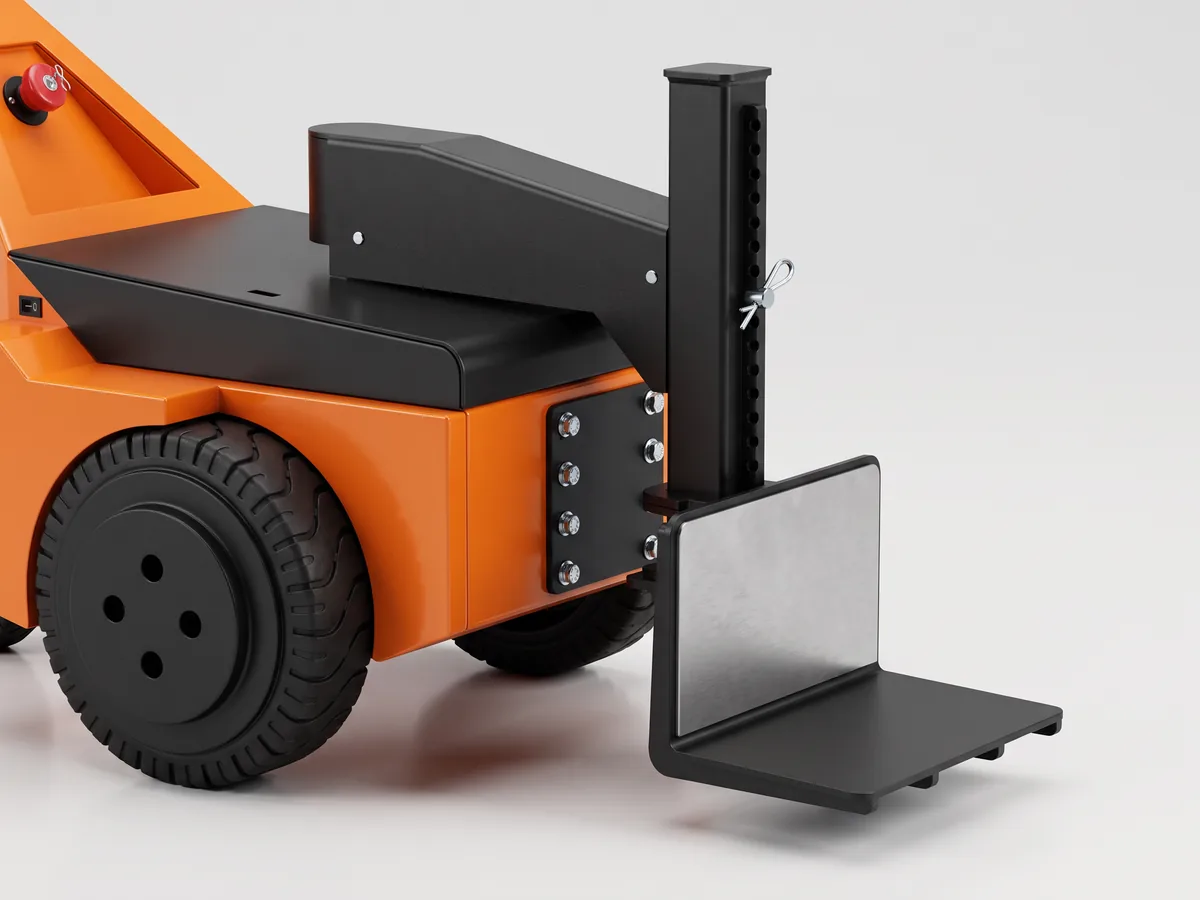
Adjustable pushpad
Railed trolleys and production lines
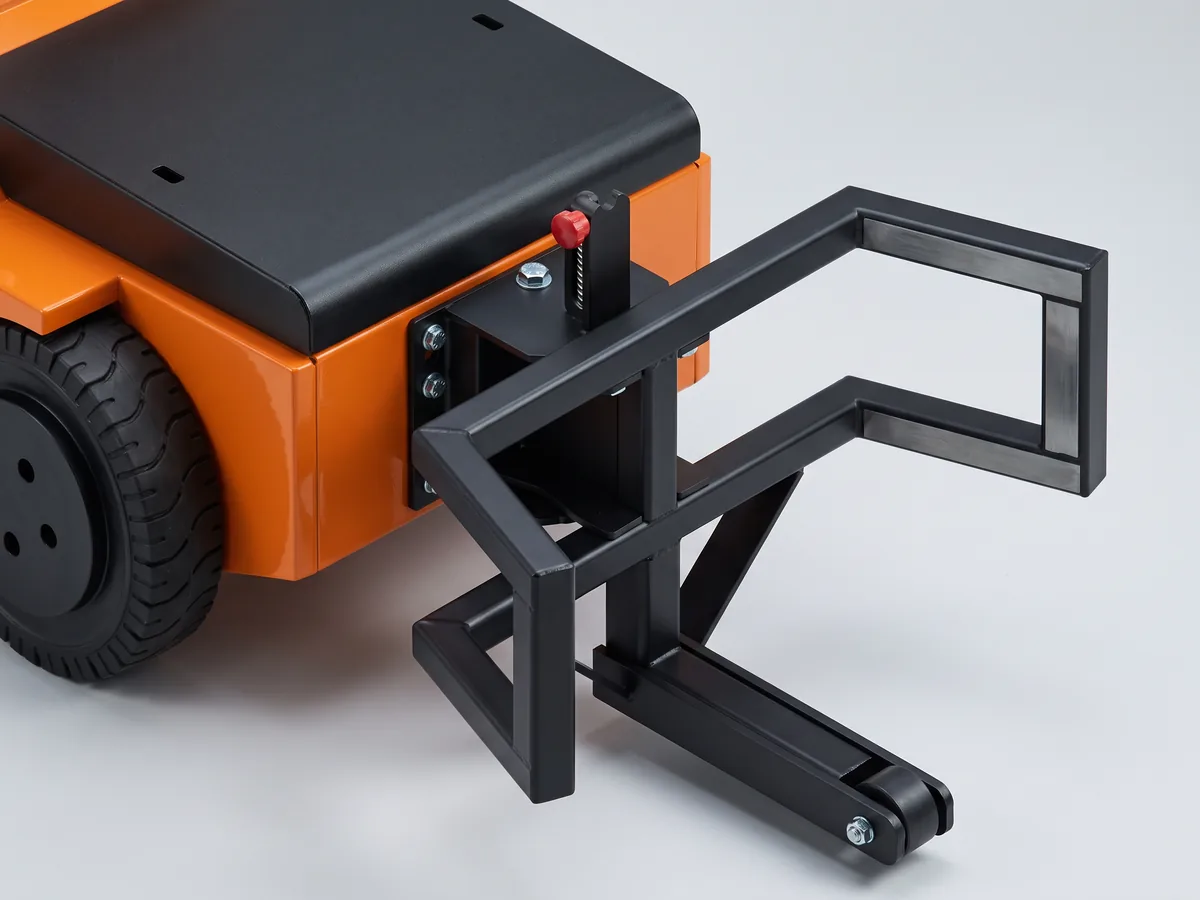
Roll cage coupling
Up to 250 nested cages, pushed as one
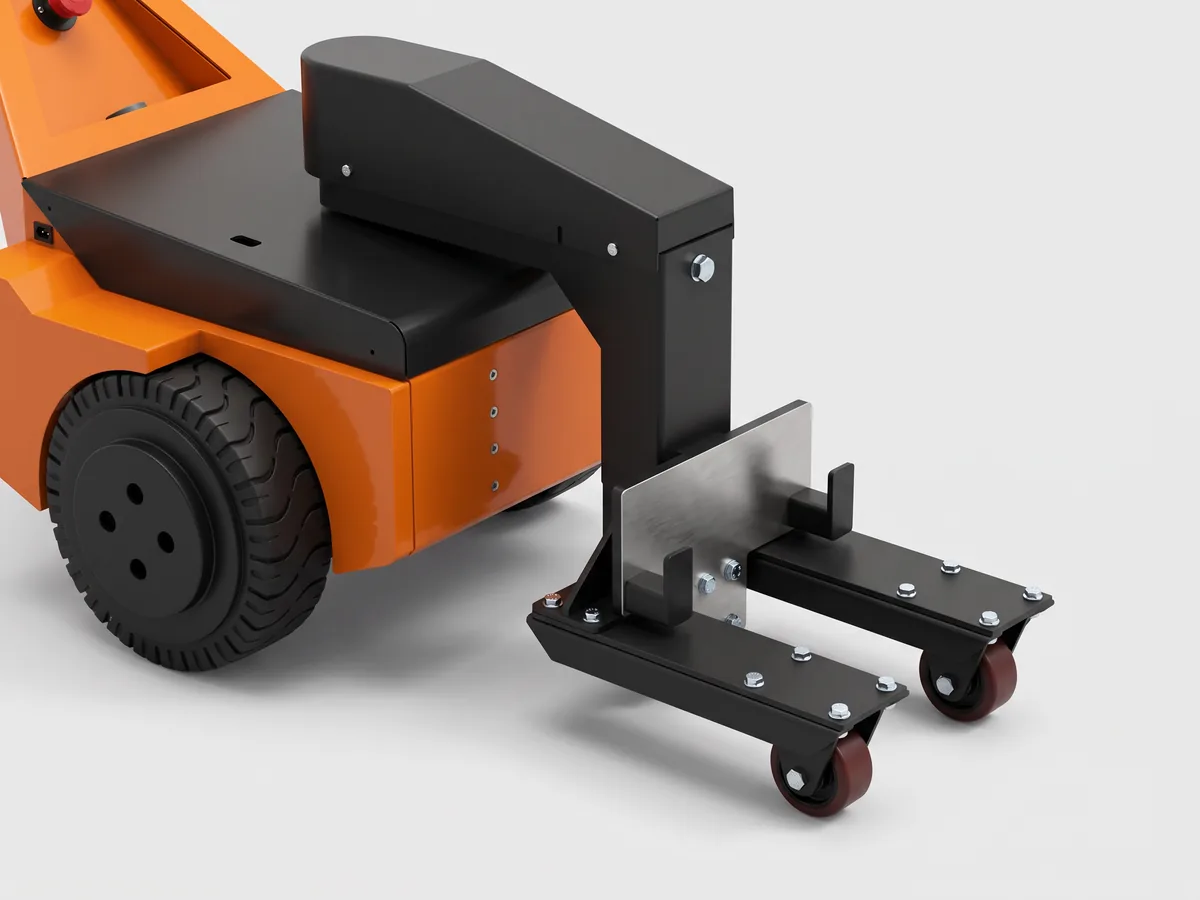
5th wheel channel
For roll trolleys, frames and stillages.
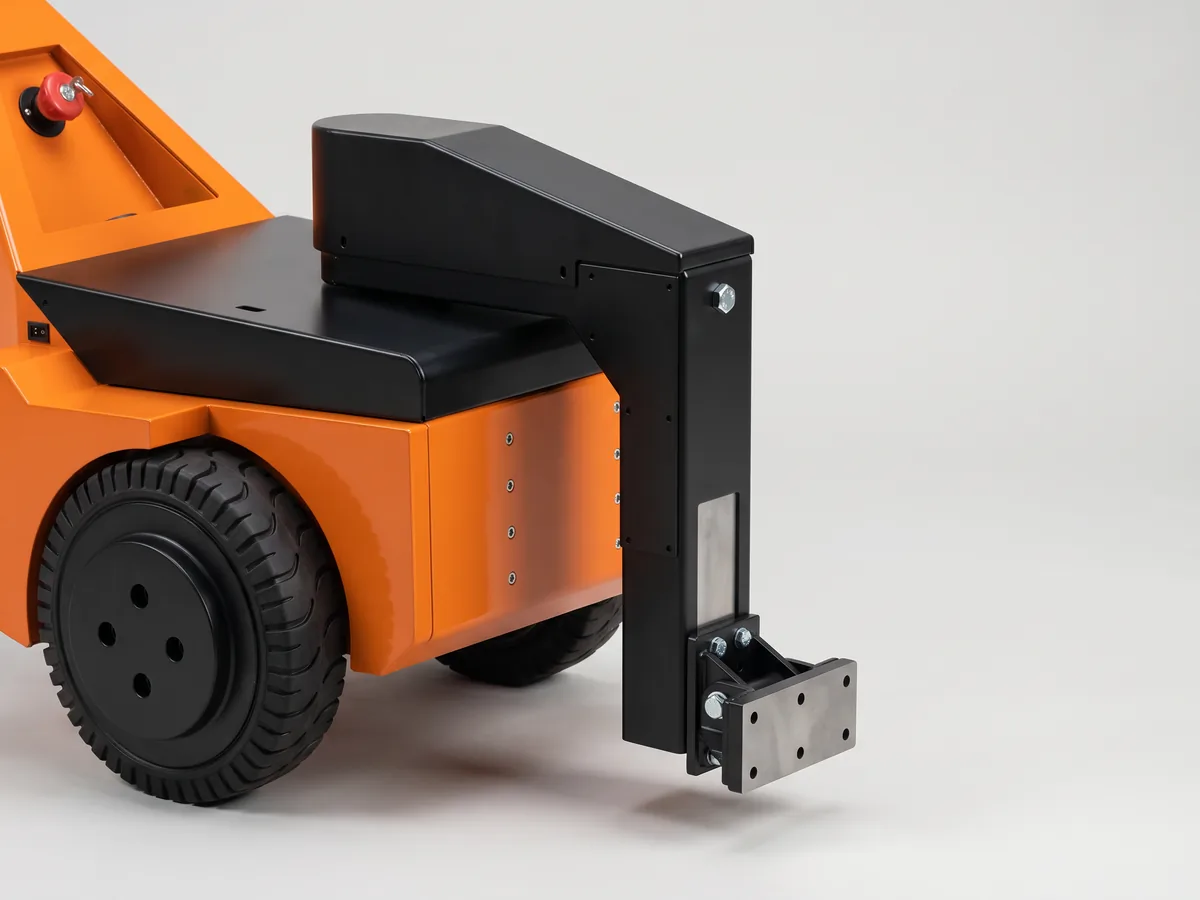
Quick latch
One connection point across all your trolleys.
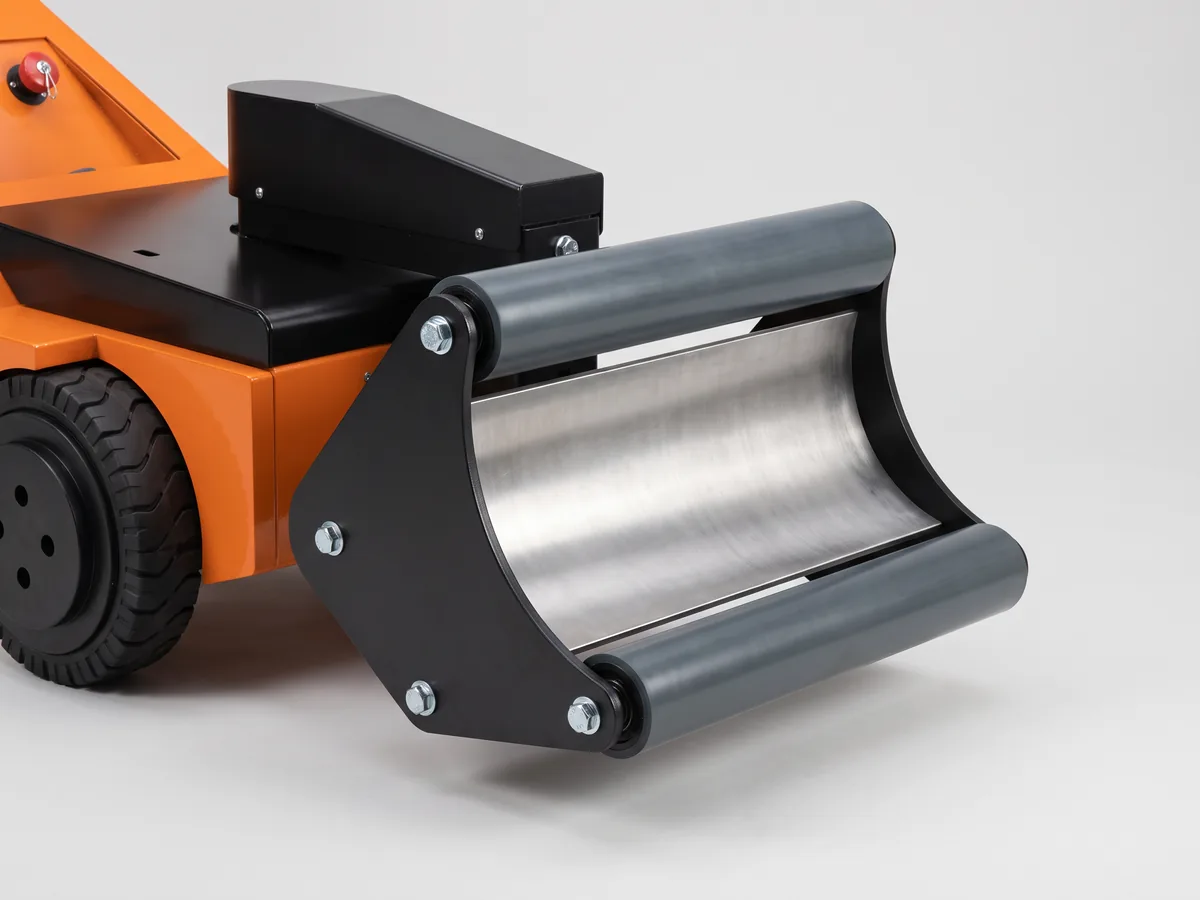
Paper roll
Heavy rolls moved on their circumference (TP250 and above).
None of these fit? We design the coupling around your load. Designed in-house around your load, to your drawing.
Built for textiles handling
Controlled, single-operator handling.
Single-operator control
One person walks behind and steers at walking pace. The tug supplies the force, so nobody has to push.
Battery powered
No fumes and quiet running indoors. A full recharge takes 8 hours, so it charges overnight.
Backed by a UK service team
Built in the UK, with a 2-year warranty and a UK service team for servicing and repairs.
Textiles handling FAQs
The questions textile teams ask us.
Which tug do I need?
It depends on the heaviest load. The TT100 moves up to 2,000 kg on castors, the TP250 4,000 kg and the TP500 8,000 kg. Tell us the load and we will recommend the right one.
Can a tug move a fabric roll directly?
With the paper roll coupling, the TP250 and TP500 can move heavy rolls on their circumference. Most sites move rolls on trolleys, which every tug can push.
Can one tug move a train of trolleys?
Yes, as long as the total weight is within the tug's capacity. We will check your trolleys, couplings and route when we visit.
Does pushing a heavy load by hand count as manual handling?
Yes. Pushing and pulling count as manual handling under the Manual Handling Operations Regulations 1992, so the risk has to be assessed and reduced as far as reasonably practicable. A tug takes most of the push force out of the job.
How long does charging take?
A full recharge takes 8 hours, so a tug can charge overnight and be ready for the next shift.
Can you look at our site first?
Yes. We visit, walk the routes and look at your loads before recommending a machine and coupling.
Will a Tractive Power tug move your load?
Tell us what you’re moving, how heavy it gets and what it runs on. We’ll tell you which tug and coupling will do the job.
Rather talk it through? Call 01538 360372.