Electric tugs for automotive
Move vehicles, dies and chassis with one person.
From press dies at changeover to bus chassis and cars moving between build stations, Tractive Power electric tugs give one operator control of heavy automotive loads. Battery powered, designed around your line, and built in the UK.
15 min
A mould changeover that took more than two hours, with a TP250 Compact and die trolleys.
Global vehicle manufacturer
9 units
TP250 Compacts moving cars between stations on a prestige car maker's final-build line.
One operator each
4,000–30,000 kg
Wheeled loads on castors, from the TP250 up to the TBC30.
Across the range
Heavy, awkward moves slow the line down.
Automotive plants move chassis, powertrains, bodies, dies and finished cars every shift, often in tight build areas.
Every one of those moves done by hand, by a team or with a forklift costs time on the line and puts people at risk. Changeovers and station-to-station moves are where it shows most.
Why traditional handling doesn’t fit
Pushing vehicles and heavy trolleys by hand takes several people and gives nobody proper control of the load. Forklifts need space that busy build areas and final-assembly lines don’t have.
Cranes are precise but slow, and they tie up certified operators for short moves.
Where Tractive Power fits
A pedestrian electric tug gives one operator full control of the move. A global car maker now does a mould changeover in 15 minutes instead of more than two hours, using a TP250 Compact and die trolleys.
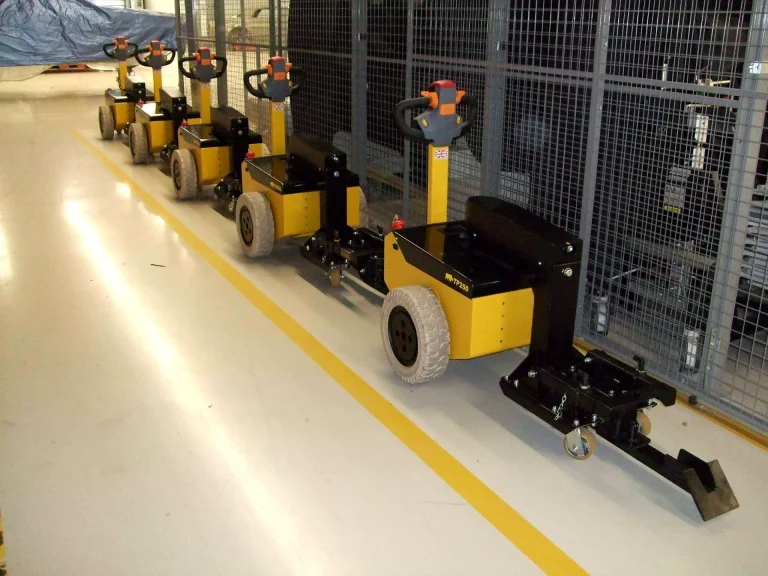
At a prestige car maker, nine TP250 Compacts move cars between final-build stations, each with one operator.
Where our machines work in automotive
From the press shop to final build.
Vehicle moves
Cars moved between final-build stations by one operator.

Die changeovers
Press dies moved on trolleys for faster changeovers.

Chassis moves
Bus and vehicle chassis moved between assembly stations.

Die-cast tooling
Die-casting dies and components moved on a burden carrier.
Recommended for automotive
Tugs for every automotive load.
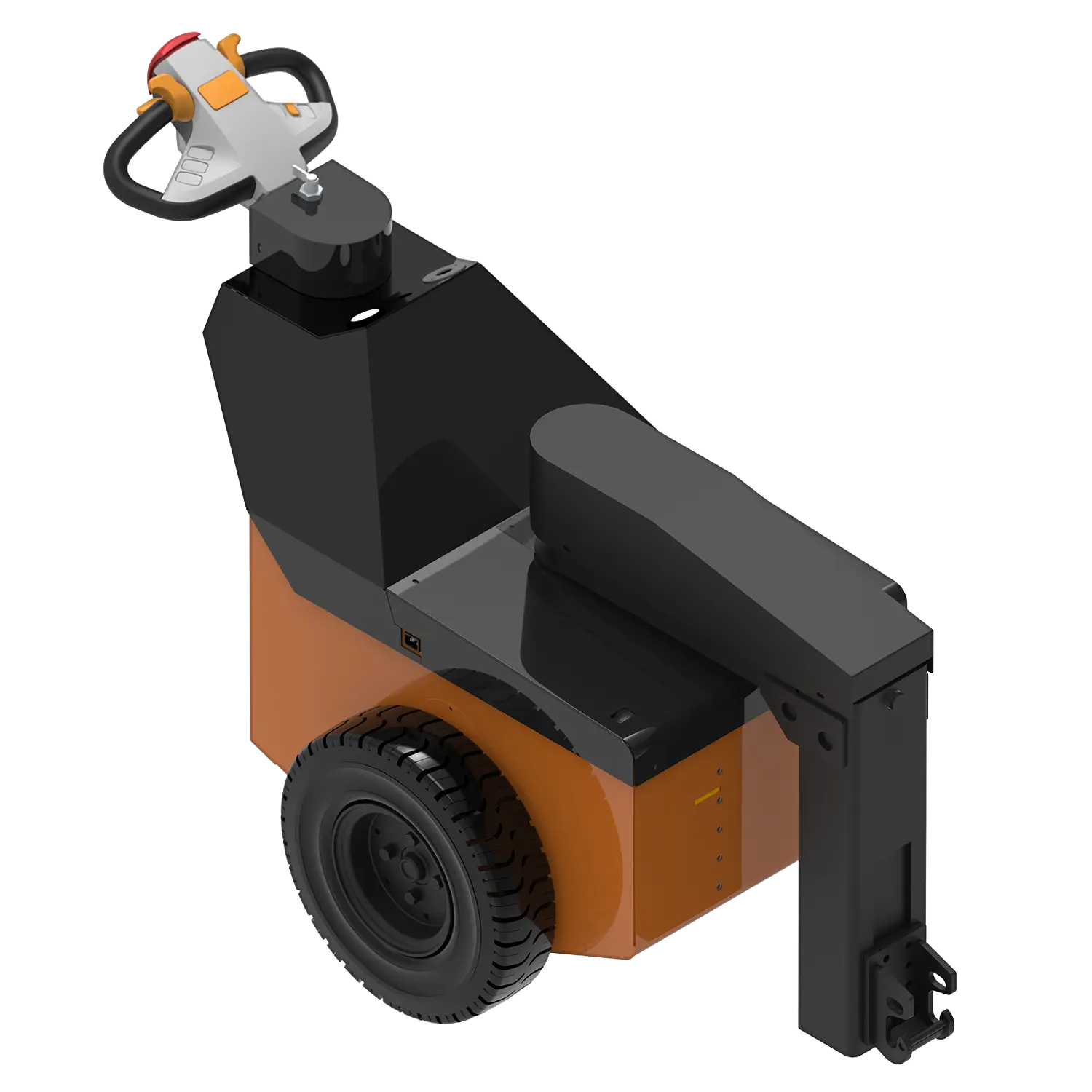
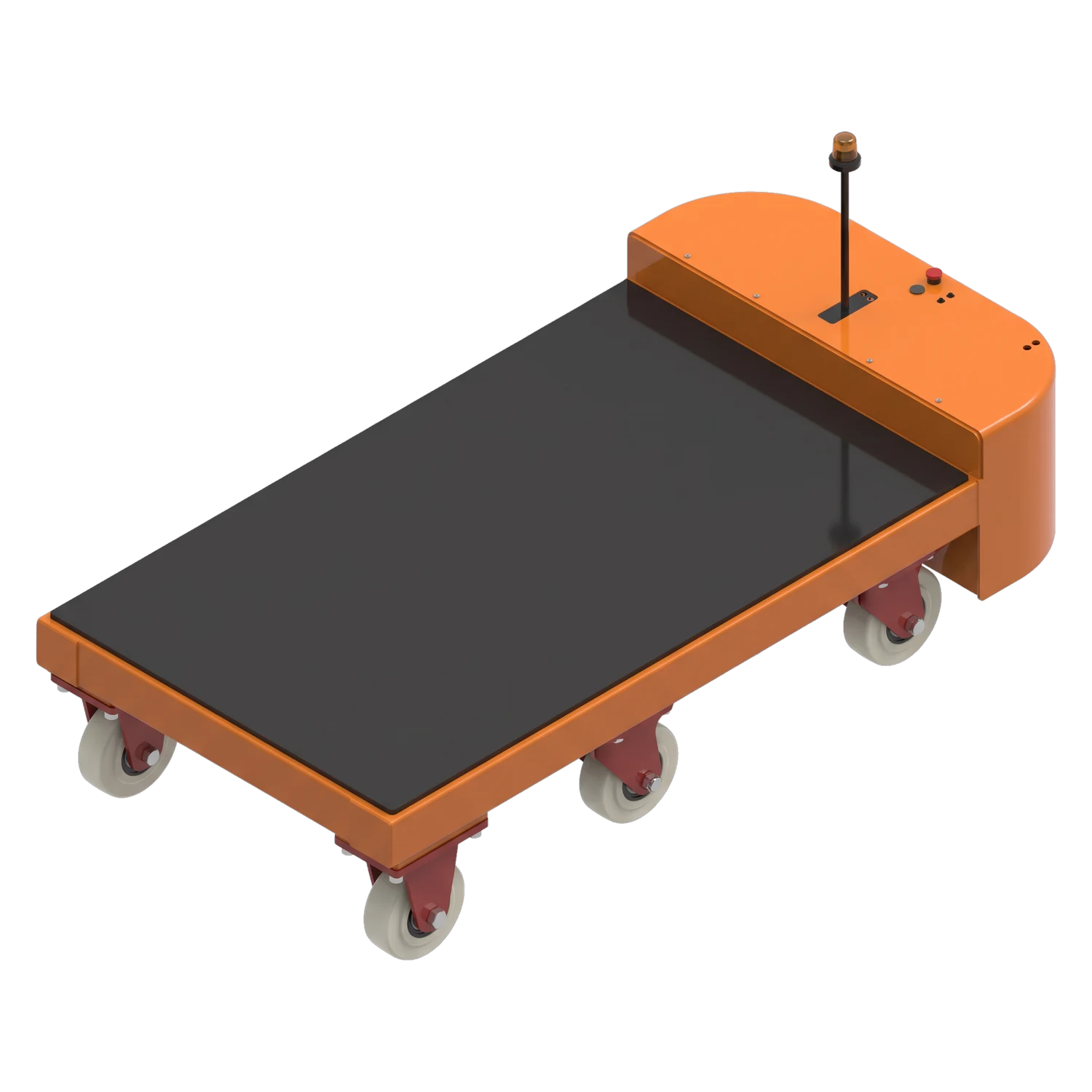
Not sure which machine you need? Start from your load.
Automotive couplings
The right connection for your vehicles and trolleys.
Every line is different. Every tug is fitted with the coupling that suits your vehicles, dies or trolleys, and if none of the standard options fit, we design one around your load.
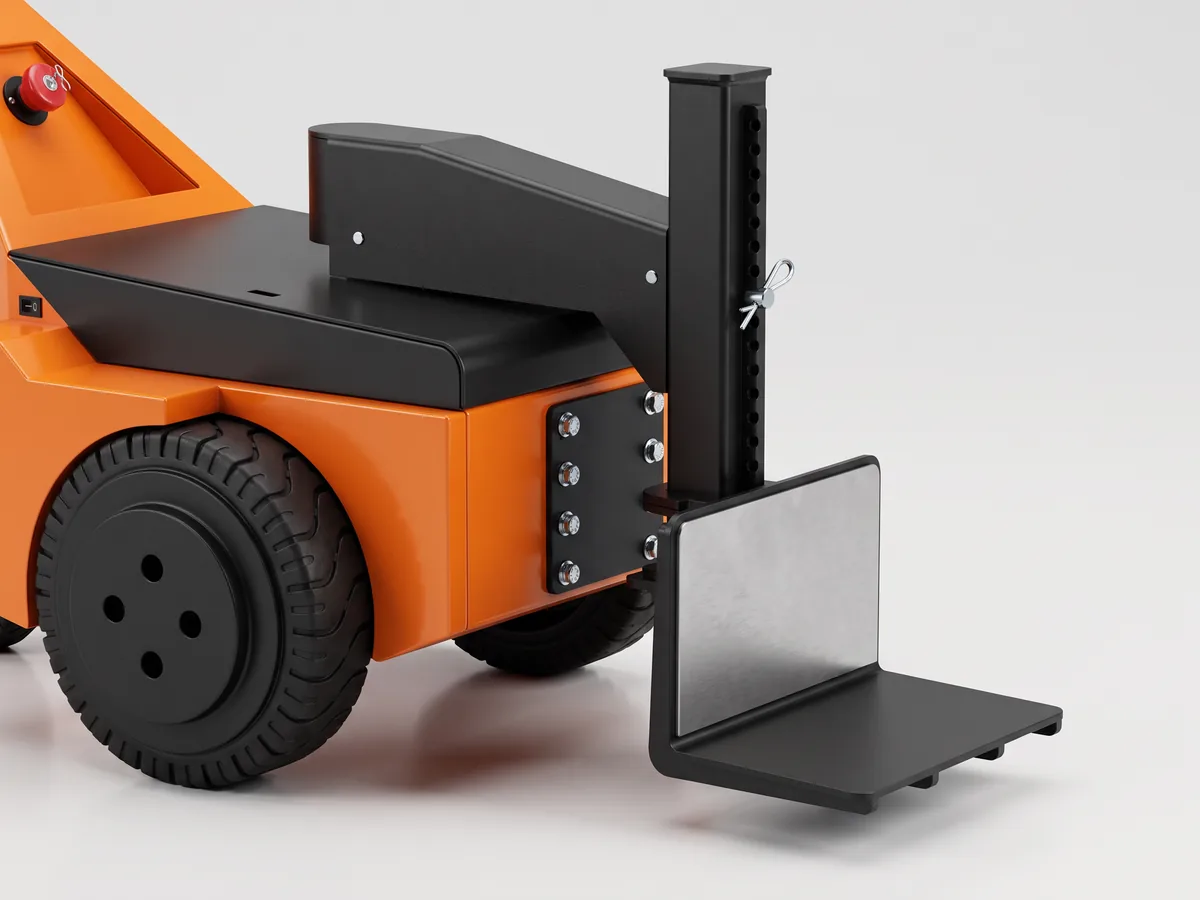
Adjustable pushpad
Straight-line pushing of railed and wheeled loads.
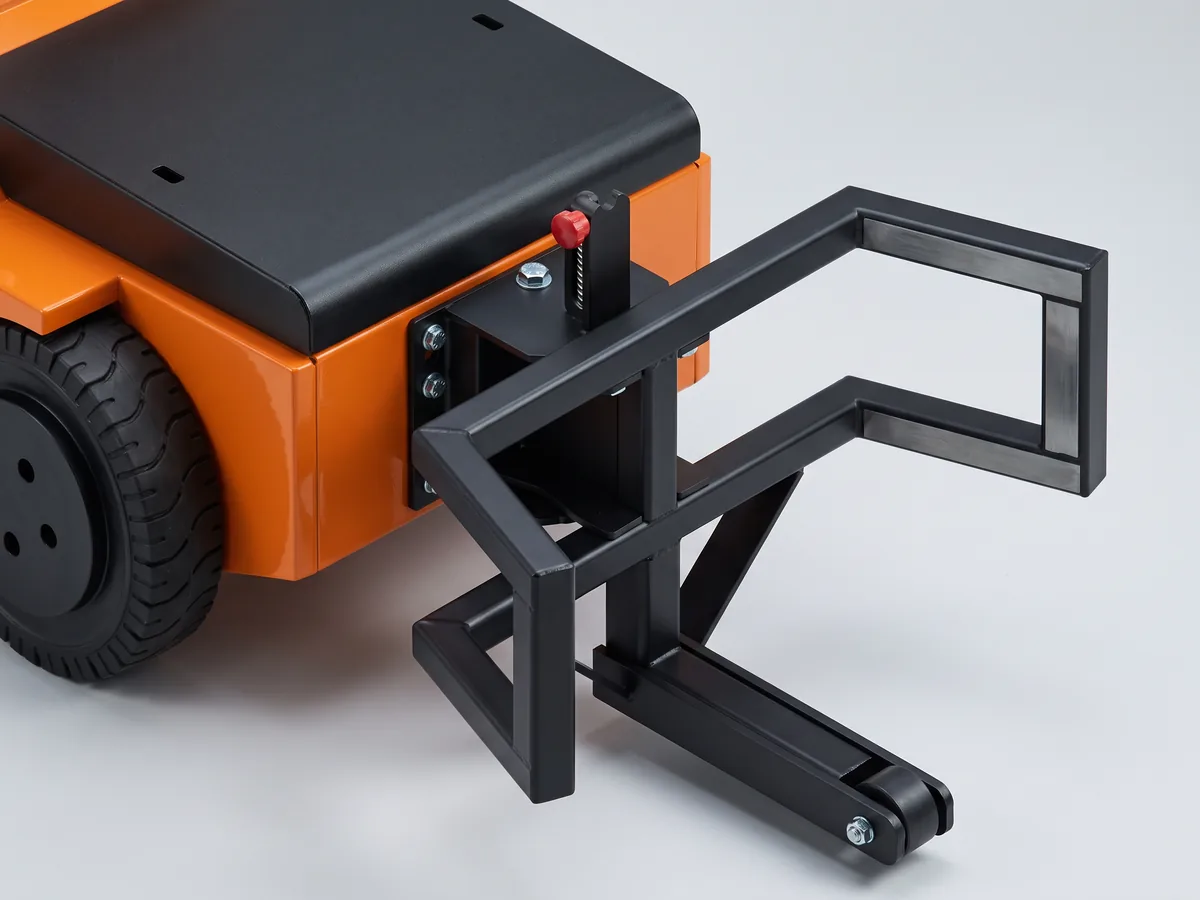
Roll cage coupling
Up to 250 nested cages, pushed as one
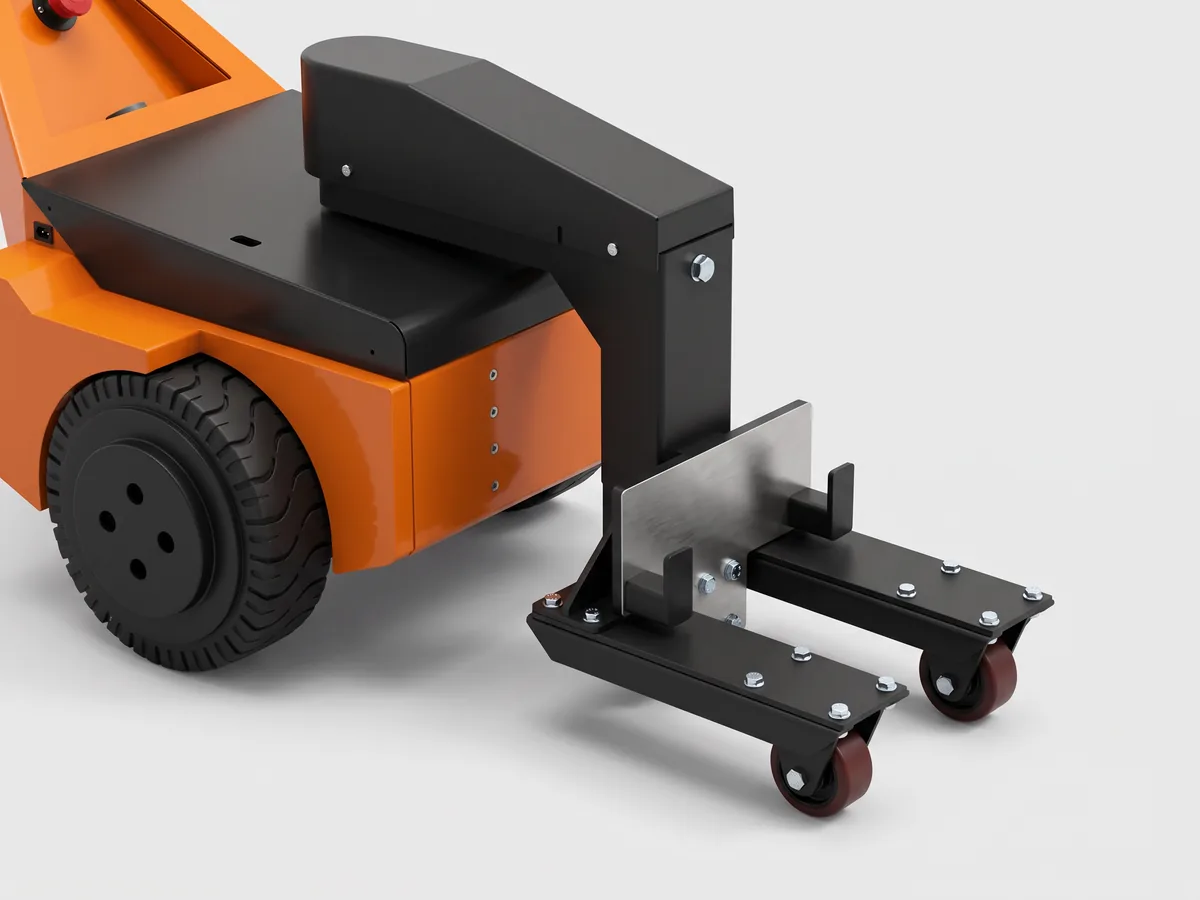
5th wheel channel
For wheeled loads, trolleys and A-frames.
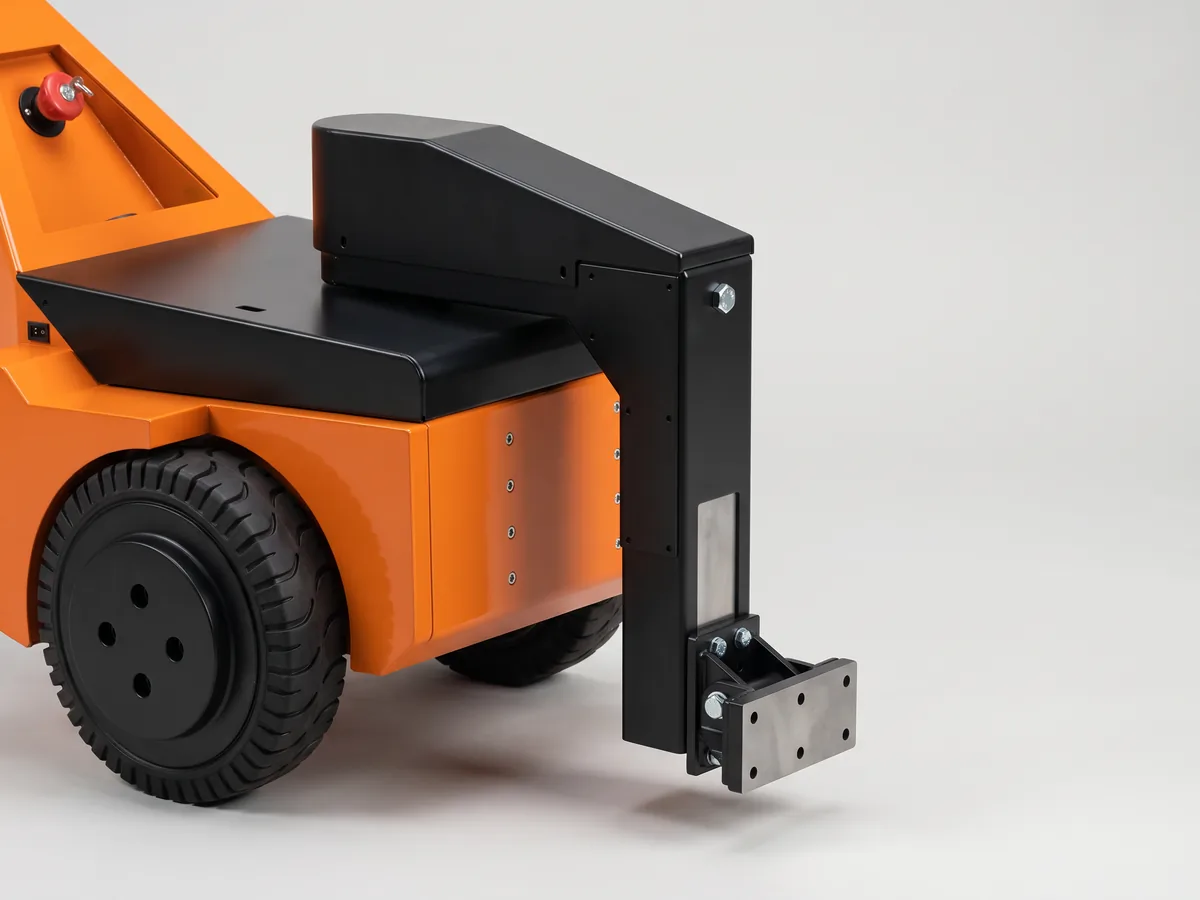
Quick latch
One connection point across a fleet of trolleys.
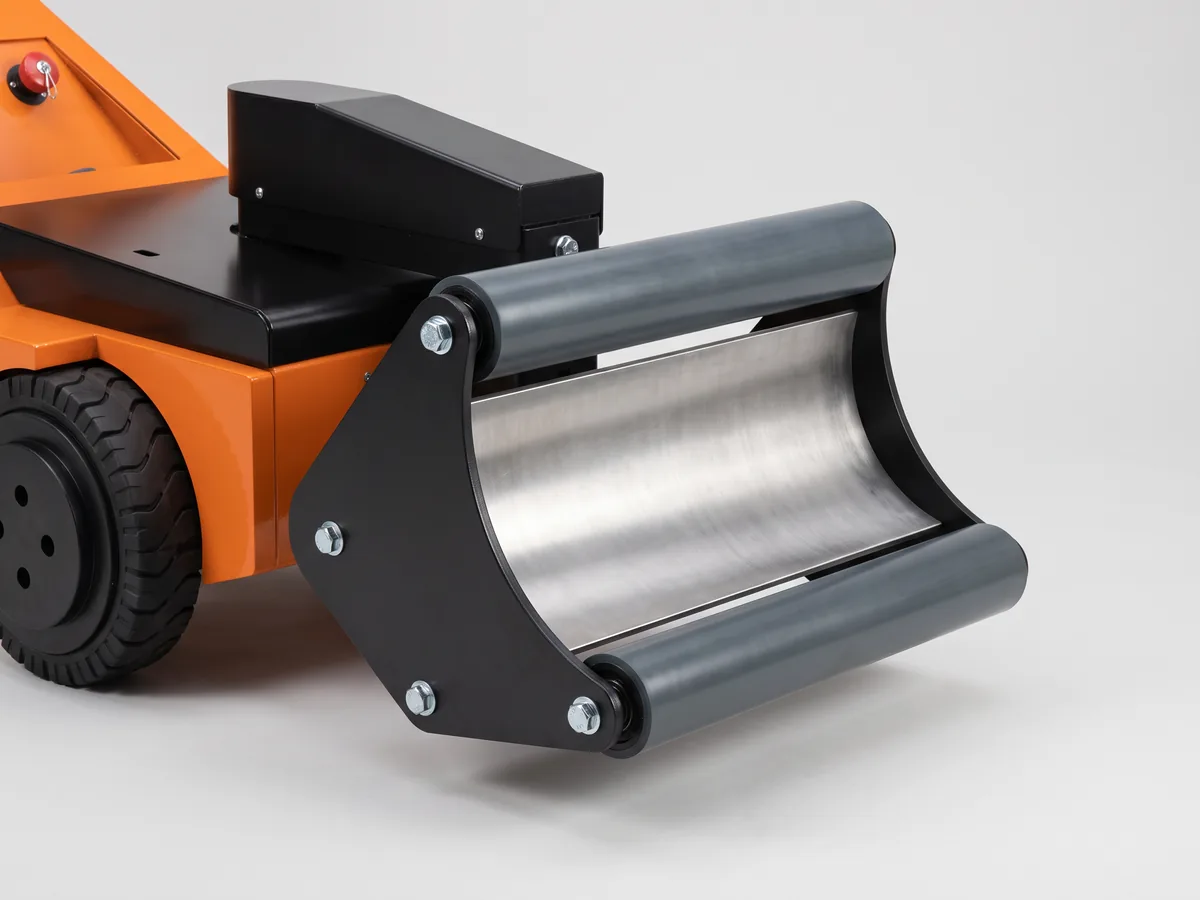
Paper roll
Drums, reels and paper rolls
None of these fit? We design the coupling around your load. Designed in-house around your load, to your drawing.
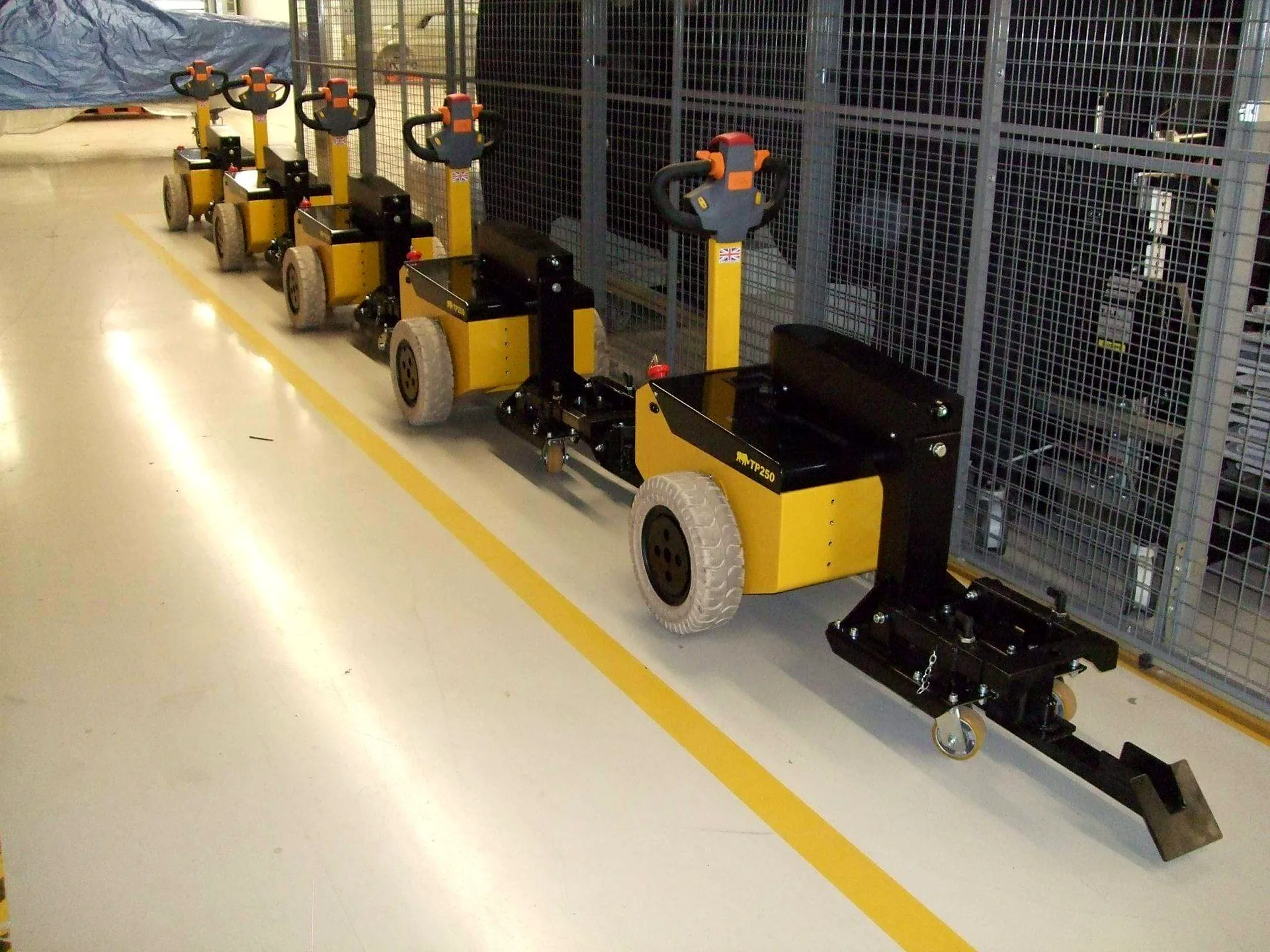
Built for automotive handling
Controlled, repeatable, single-operator moves.
Single-operator control
One person walks behind and steers at walking pace. The tug supplies the force, so nobody has to push.
Made for tight build areas
We designed the TP250 Compact for a tight final-build area, with a 0.9 m turning circle.
Backed by a UK service team
Built in the UK, with a 2-year warranty and a UK service team for servicing and repairs.
Automotive handling FAQs
The questions automotive teams ask us.
Can an electric tug move a car?
Yes. Nine TP250 Compacts move cars between stations on a prestige car maker's final-build line, each with one operator.
Can a tug speed up die changeovers?
Yes. A global car maker put its moulding dies on trolleys and a TP250 Compact. A changeover that took more than two hours now takes 15 minutes.
What's the TP250 Compact?
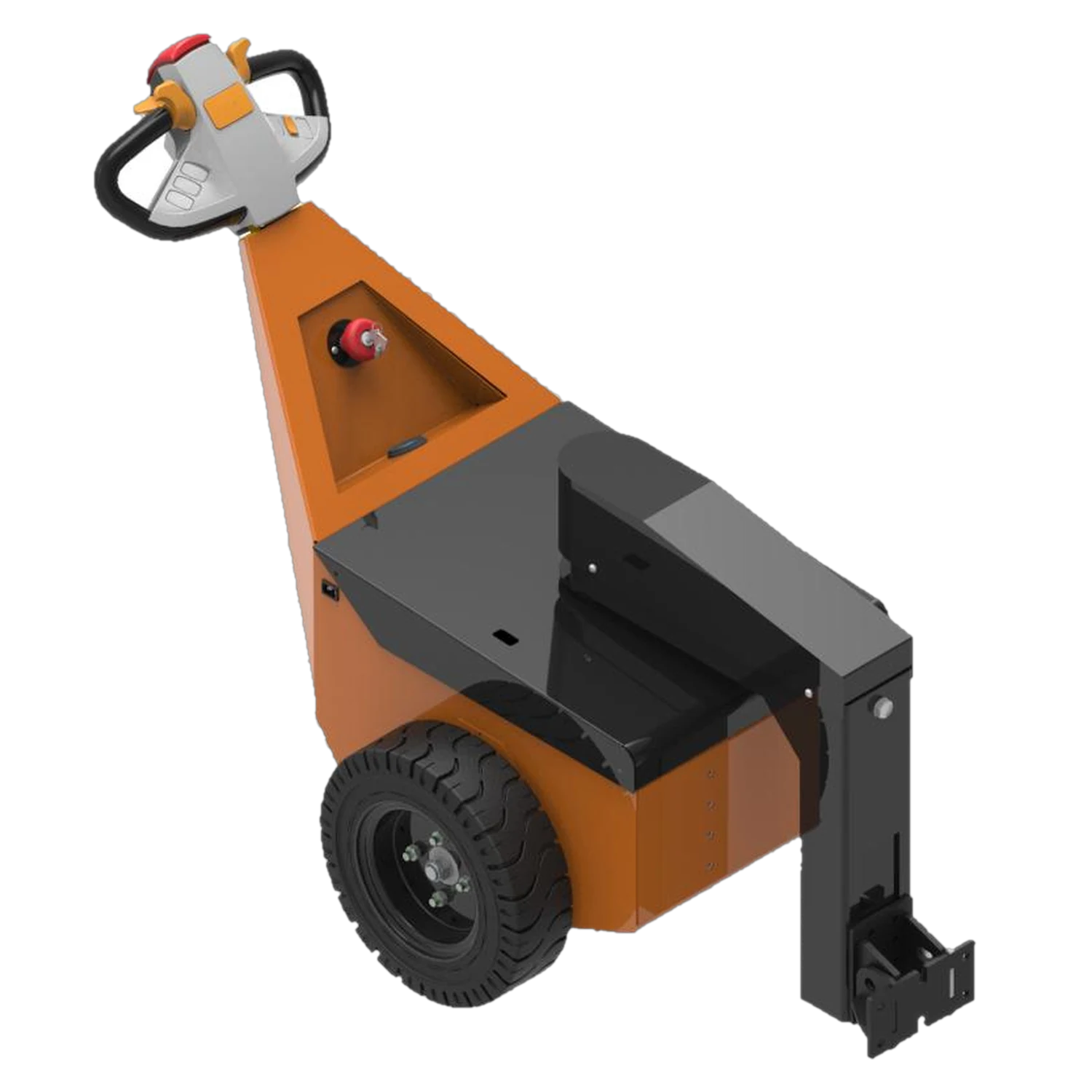
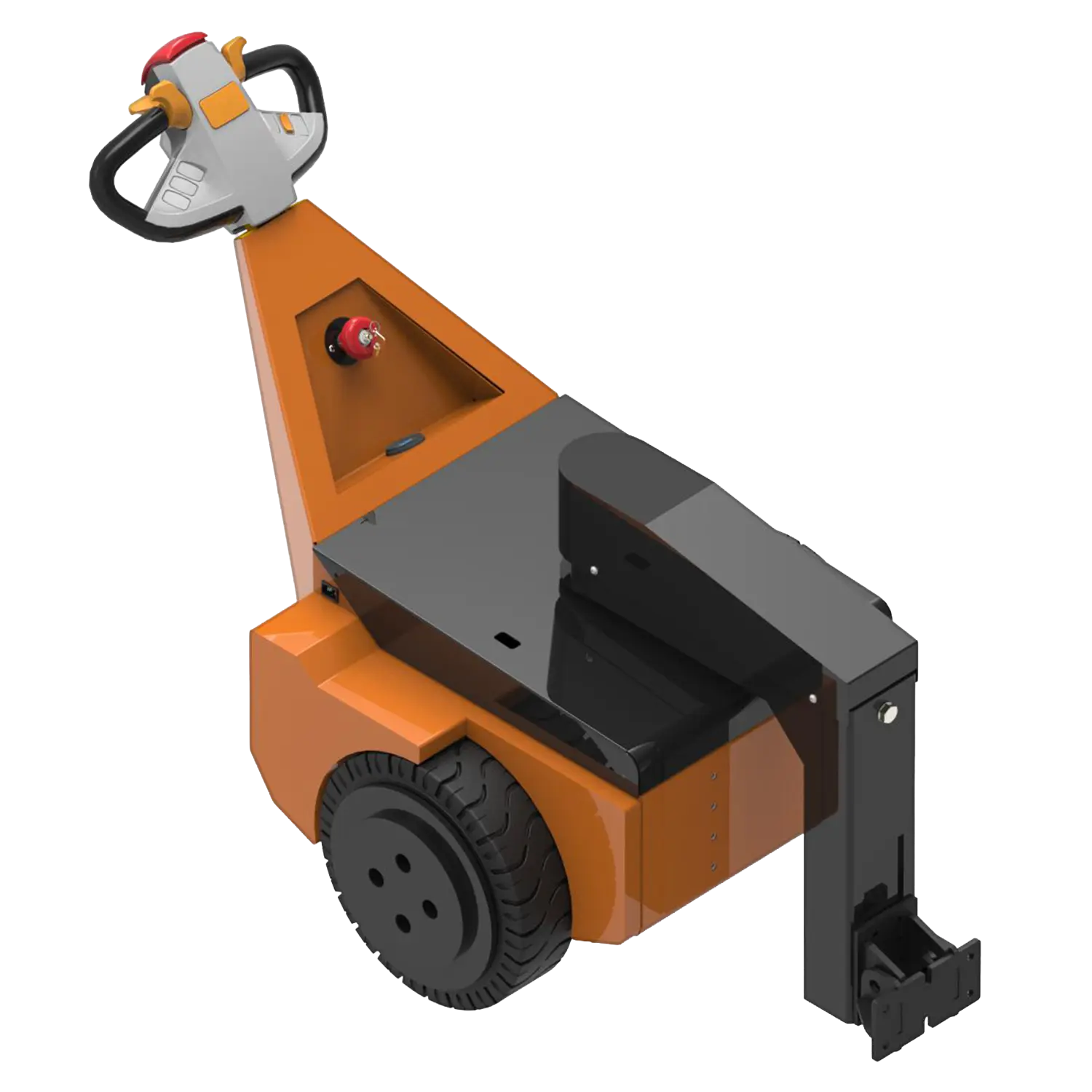
The same towing capacity, motor and battery as the TP250 in a smaller footprint, with a 0.9 m turning circle against 1.65 m. It suits tight build areas.
What about the heaviest loads?
The TP1000 moves up to 12,000 kg on castors and 100,000 kg on rails, and the TBC30 has a 30,000 kg capacity.
Does pushing a heavy load by hand count as manual handling?
Yes. Pushing and pulling count as manual handling under the Manual Handling Operations Regulations 1992, so the risk has to be assessed and reduced as far as reasonably practicable. A tug takes most of the push force out of the job.
Can you look at our site first?
Yes. We visit, walk the routes and look at your loads before recommending a machine and coupling.
Will a Tractive Power tug move your load?
Tell us what you’re moving, how heavy it gets and what it runs on. We’ll tell you which tug and coupling will do the job.
Rather talk it through? Call 01538 360372.